A hot cabin is not always a detailing problem: heat can enter through the glass, roof, dashboard and seat surfaces, while weak airflow can point to a clogged filter or failing air-conditioning component. By the end, you can identify the heat source, compare upgrades using measurable specifications, and choose modifications that preserve visibility, airbags, ergonomics and electrical safety.
Key takeaways
- Measure hot cabin surfaces before buying ventilation or cooling accessories.
- Choose window film by heat rejection, visible light transmission and Delhi legality.
- Service the air-conditioning system before adding powered ventilation.
- Match upholstery, cushions and trims to your car and daily use.
Find where the heat is entering before buying an upgrade
A cabin that becomes unbearable after parking but cools normally while driving is suffering from solar load, not necessarily weak ventilation. On a sunny day, compare the dashboard, steering wheel, seat surface, door panel and roof lining after 30 minutes parked; the hottest surfaces reveal where sunlight is entering.
NHTSA reports that cabin temperature can rise about 11°C in 10 minutes and 22°C within an hour, so a cracked window is not a heat-control solution.
| Option | What it addresses | Prioritise it when |
|---|---|---|
| Exterior windshield sunshade | Direct radiation through the largest glass area | The dashboard and steering wheel are hottest |
| Solar-control window film | Heat entering through side and rear glazing | Glass surfaces stay hot despite shading |
| Air-conditioning service | Weak airflow or poor heat removal | Cooling is slow while driving; check the filter, evaporator, condenser and refrigerant separately |
| Lighter or ventilated upholstery | Hot, damp contact with seats | Seat surfaces remain uncomfortable after the cabin cools |
| Powered seat ventilation | Heat and sweat at your back and thighs | The seat is the problem after AC performance is restored |
Prioritise the fix that matches the evidence:
- Fix restricted airflow or a dirty condenser before buying an accessory.
- Use shading for parked heat; it will not cool occupants in a moving car.
- Choose seat ventilation only when contact heat remains after cabin temperature falls.
- Treat ceramic coating and paint-protection film as exterior durability upgrades, not cabin insulation.
Compare window film by performance, legality and installation quality
Judge window film by measured solar performance, not by how dark it looks. A dark film can reduce glare while transmitting little visible light, yet reject less total heat than a lighter, spectrally selective film. Ask for a technical data sheet showing VLT, TSER, infrared rejection and UV rejection.
Treat “99% IR rejection” as one measurement, not proof of whole-cabin cooling: TSER covers the solar energy reaching the cabin across ultraviolet, visible and infrared wavelengths.
| Film or treatment | Performance evidence | Legal and visibility check |
|---|---|---|
| Clear UV film | High UV rejection, but limited cooling unless TSER is also high | Preserves visibility; does not automatically reduce cabin temperature |
| Dark dyed film | Dark appearance and glare reduction; demand TSER figures | Low VLT can create enforcement and night-driving problems |
| Spectrally selective film | High TSER with higher VLT than a visibly dark film | Compare measured VLT with the glass before installation |
| Exterior ceramic coating or paint protection film | Protects paint from oxidation, contamination and chips | Does not insulate the cabin or replace glazing shade |
For car interior upgrades for summer heat and comfort in Delhi, check Rule 100 figures before choosing a shade: 70% minimum light transmission for the windscreen and rear window, and 50% for side windows.
The Supreme Court’s 2012 order prohibited black film or other material pasted on vehicle glass, so confirm the current local enforcement position before fitting aftermarket film.
- Request a sample fitted to your glass and inspect night visibility from the driver’s seat.
- Confirm the installer measures the finished glass, not just the film’s advertised VLT.
- Reject film with bubbles, edge lift, scratches, contaminated adhesive or uncovered frit edges.
Restore air-conditioning performance before adding powered ventilation
Restore cooling before buying powered ventilation: a blocked cabin filter, weak blower, dirty evaporator or restricted condenser can make a healthy air-conditioning system feel ineffective. Ask for these checks:
- Replace the cabin air filter with the vehicle-specified grade; a clogged filter cuts airflow.
- Clean the evaporator without soaking electronics, then check for odor and drain blockage.
- Check refrigerant pressure, compressor operation, condenser cleanliness and airflow through the radiator stack.
- Test vent temperature and blower speed instead of accepting “gas top-up” as a diagnosis.
After entering a hot car, open the windows briefly, run the blower high with outside air, then close the windows and select recirculation. Use an exterior windshield sunshade and shaded parking; cracked windows do little against rapid cabin heating.
| Option | What it improves | Appropriate when | Avoid or limit when |
|---|---|---|---|
| Ventilated seats | Moves air through the seat surface | You drive long periods and the seat structure accepts a reversible, compatible kit | Cutting cushions could disturb airbags, occupancy mats, heaters or wiring |
| Solar-powered fan | Exchanges some trapped parked-cabin air | You want lower heat buildup while parked in sunlight | Expecting it to cool a moving cabin or replace air-conditioning |
| Perforated upholstery | Reduces clamminess only when air moves through it | Paired with genuine seat ventilation or breathable padding | Buying perforation alone as a cooling system |
These car comfort upgrades for summer work after HVAC faults are fixed. A reversible seat pad is safer than drilling the original cushion.
Choose upholstery, cushions and trims for real contact comfort
Choose breathable, light-coloured fabric or perforated upholstery for the seat surfaces that touch you. It reduces sweat better than solid leatherette, which can feel hot and sticky after parking. A thin, firm, ventilated cushion can improve airflow, but a thick soft pad changes hip height, belt position and head-restraint alignment.
| Option | Comfort benefit | Risk or check |
|---|---|---|
| Breathable fabric or mesh | Less heat and sweat at your back and thighs | Confirm secure fitting and easy removal for washing |
| Perforated leather or leatherette | Easier wiping with some airflow | Perforations do not make dark material cool; avoid covers over side-airbag seams |
| Thin ventilated cushion | Adds airflow without major posture change | Reject it if it lifts you enough to alter belt fit or driving reach |
| Light-colour trim | Absorbs less visible heat and looks less glaring | Use automotive-grade material that will not reflect into the windscreen |
Never fit a universal seat cover over a seat-mounted airbag, seat sensor, belt buckle or heating element. Ask for an airbag-compatible pattern with a marked tear seam, and check that the seat remains firmly latched after installation.
In car interior customization in Delhi, reject glossy dashboard wraps and chrome-like trims that reflect sunlight into your eyes.
Clean contact areas with a damp microfiber cloth and a mild, manufacturer-approved cleaner. Use low-sheen, water-based dressing sparingly on non-contact plastics; oily silicone residue attracts dust, transfers to clothes and makes the steering wheel slippery. Never spray into switches, vents, retractors or airbag seams.
Use an installer checklist to match the modification to your car
Do not approve a heat or comfort upgrade until the installer records how it fits your exact car, what it could disturb, and what checks follow reassembly. This matters whether you searched for car interior accessories gurugram or vehicle interior modification near me.
1. Ask for the vehicle’s make, model, variant, model year and current odometer reading on the job sheet. Record existing dashboard warnings, seat damage, rattles, trim gaps and electrical faults with dated photographs.
2. Require a written description of the modification, including the seat, trim, film or ventilation system being fitted, its compatibility with your car, and every excluded item. A low quote can omit replacement clips, trim repair, wiring protection or rattle correction.
3. Confirm that the installer will preserve steering-wheel and passenger-airbag deployment zones, seat-airbag seams, seat-position sensors, occupancy sensors, vents and instrument visibility. Reject any dashboard cover, loose accessory or seat alteration that blocks an airbag path.
4. Ask for the wiring plan: fuse location, fuse rating, wire routing, connector type and protection against abrasion. Never accept a powered accessory connected by an exposed wire or an unfused add-a-fuse arrangement.
5. Get the parts warranty, workmanship warranty, film specification and cure or care instructions in writing. Ask who pays if the modification causes a warning light, rattle or trim damage.
6. Make the handover conditional on an electrical scan, airbag-system check, seat and window operation test, cooling check where relevant, and a joint inspection of every removed panel.
Detailing Roadies By Car Stylein can be compared fairly with other Delhi or Gurugram installers using this same record, rather than package names or showroom claims.
Related products
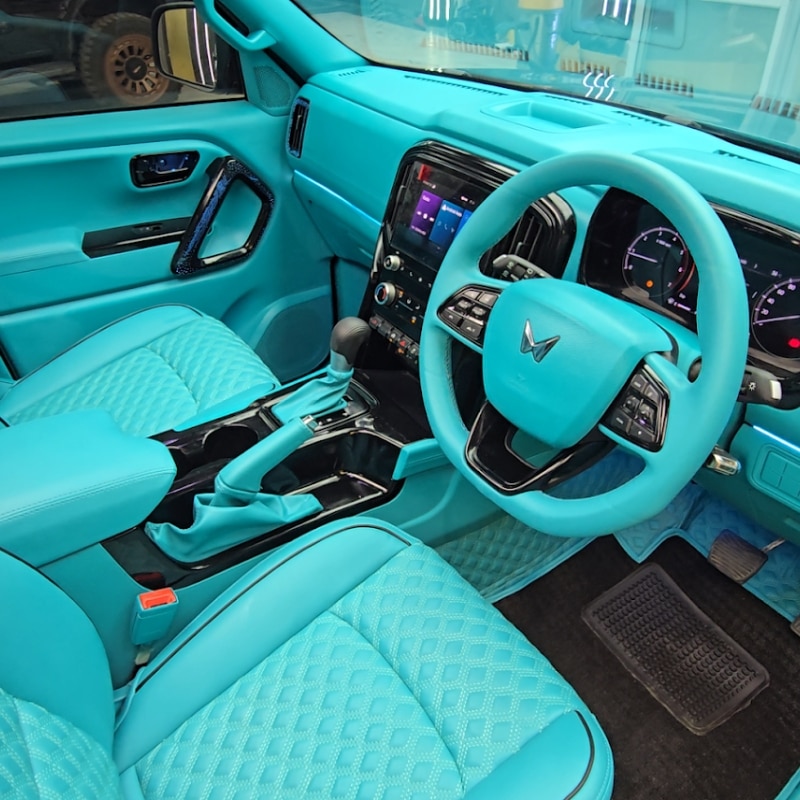 | Car Modification Give your car a luxurious and personalized touch with our car interior customization services in Delhi & Gurgaon. View product → |
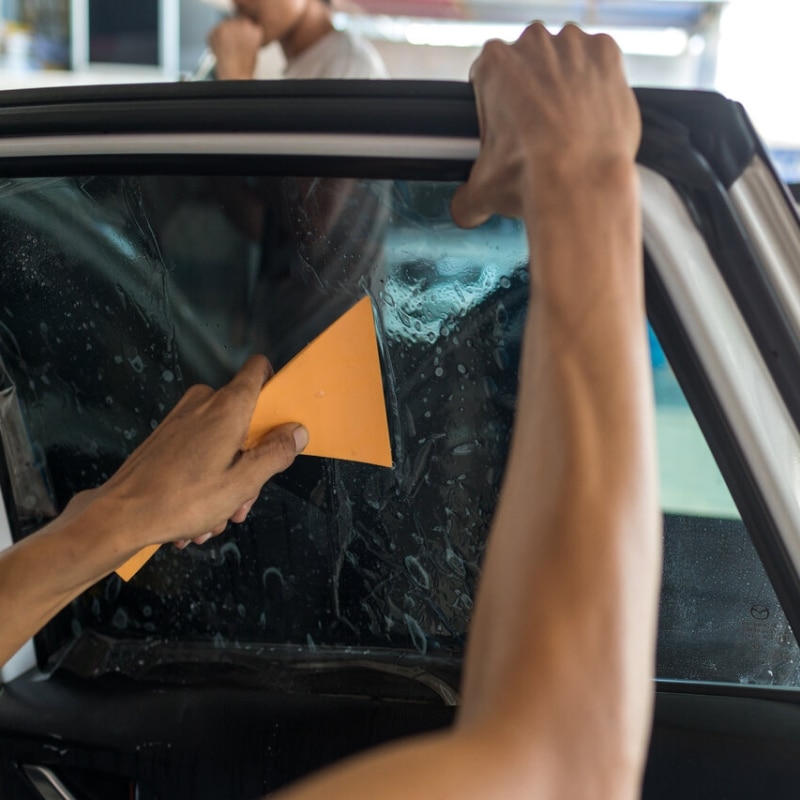 | Car Accessories Upgrade your driving comfort with our premium car window film installation in Delhi. View product → |
Frequently asked questions
How can I find where heat enters my car cabin?
Park in direct sun for 30 minutes, then compare the dashboard, steering wheel, seat surface, door panel and roof lining. The hottest surfaces identify major solar-load areas.
What should I compare when choosing window film?
Compare infrared heat rejection, visible light transmission, glare reduction, film construction, legality and installation quality. Ask the installer for the film specification sheet and warranty.
Should I repair the air-conditioning system before installing powered ventilation?
Yes. Check cabin-filter condition, refrigerant charge, condenser cleanliness, blower performance and vent temperature before adding powered ventilation.
Which interior upgrades improve contact comfort in Delhi summer?
Choose breathable upholstery, ventilated seat covers, low-heat cushions and trims that resist glare and heat. Test the material against bare skin before installation.
Related product
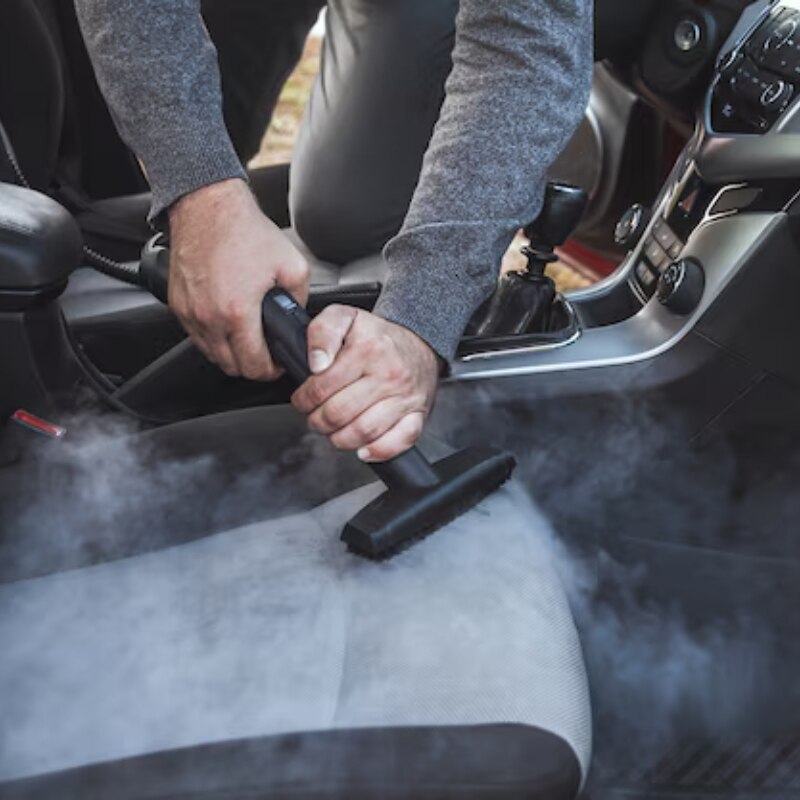 | Car Detailing Experience a fresh and hygienic driving environment with our car interior cleaning service in Gurgaon. View product → |
Keywords