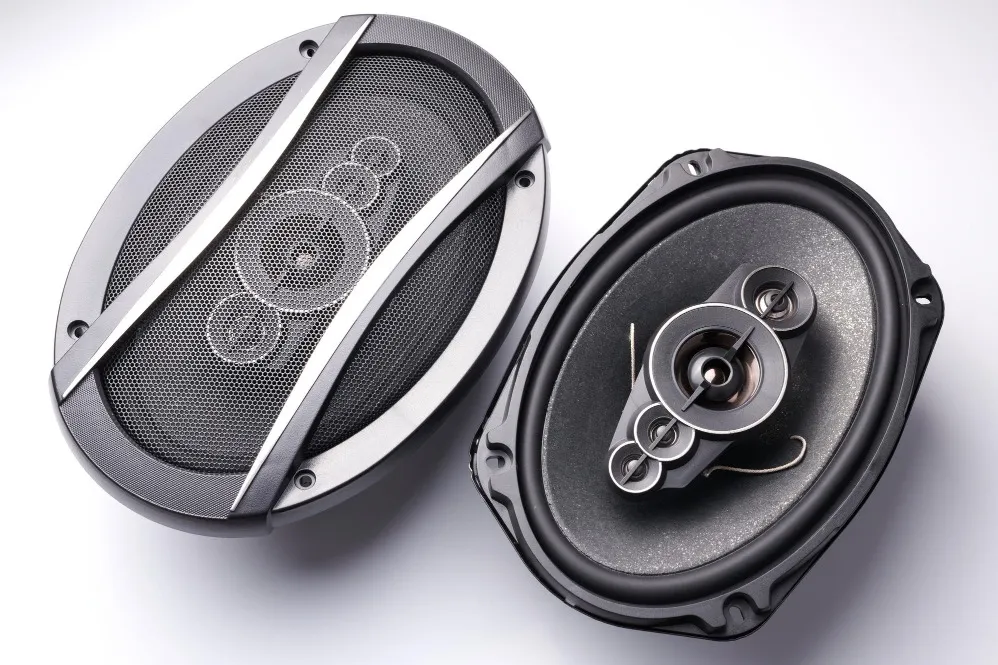
Factory audio systems are designed to satisfy broad requirements, but they may not deliver the clarity, balance or bass response expected by an enthusiastic listener. A car sound system upgrade can improve the experience, although replacing every component is not always necessary.
The best results begin by identifying the weakness in the existing system and building an upgrade around the vehicle’s electrical and acoustic characteristics.
Signs an Upgrade May Be Worthwhile
A sound-system assessment may be useful when:
- Vocals sound unclear at moderate volume
- Bass is weak, distorted or uncontrolled
- Door speakers rattle
- Sound is concentrated in one part of the cabin
- Road noise overwhelms music
- High frequencies become harsh
- Volume is inadequate without distortion
- Streaming quality is poor
- The owner wants better control over tuning
The problem may lie in the source, speakers, amplification, installation or cabin resonance. Diagnosis should come before buying equipment.
Start With the Source
Audio quality depends partly on the music source and connection method. Low-quality compressed files, weak Bluetooth transmission or unsuitable settings can limit performance even with premium speakers.
If the factory head unit controls vehicle settings, cameras or steering functions, replacing it may not be advisable. Integration processors can sometimes retain factory features while improving signal quality.
Upgrade Components in the Right Order
A well-balanced system may include:
Speakers
Better front speakers can improve vocals, detail and imaging. Correct mounting and sealing are as important as the brand.
Amplifier
An amplifier supplies clean, controlled power. It should be matched to speaker requirements and installed with appropriate wiring and ventilation.
Digital Signal Processor
A DSP enables detailed adjustment of frequency response, timing and crossover points. Professional tuning can make the system sound more natural from the driver’s position.
Subwoofer
A correctly selected subwoofer adds low-frequency depth. It does not need to dominate the cabin. Enclosure design and placement strongly influence performance.
Sound Damping
Treating suitable door and panel areas can reduce vibration and improve speaker response. Full-cabin treatment may not be required for every vehicle.
Protect the Electrical System
High-powered equipment places additional demand on the battery and charging system. Cable size, fuse placement, grounding and power distribution must be planned correctly.
Poor wiring may cause noise, battery drain, overheating or electrical faults. Installers should avoid careless cutting of factory harnesses, particularly in premium vehicles with complex electronics.
Choose Based on Listening Preference
A system designed for accurate vocals differs from one built for strong bass or high output. Before finalizing components, explain the music genres you listen to, preferred volume and whether boot space must be preserved.
Listening to a demonstration vehicle can be more useful than comparing specifications alone. The most powerful product is not automatically the best match.
What to Expect From a Professional Installation
The provider should inspect the vehicle, recommend compatible equipment and explain any changes to panels or storage space. After installation, all affected functions should be tested, including cameras, steering controls, charging ports and warning systems.
Detailing Roadies By Car Stylein provides audio-upgrade planning and installation for cars in New Delhi, Delhi and Gurugram. Recommendations can be developed around listening preferences, vehicle compatibility and budget instead of relying on a standard package.
A good sound-system upgrade should deliver cleaner, more balanced audio without creating rattles, electrical concerns or unnecessary loss of cabin space. Careful integration and tuning usually matter more than the number of components installed.
Keywords