

A well-planned cabin should look as though its elements belong together. Changing upholstery, lighting, trim and technology without an overall plan can make even an expensive vehicle feel inconsistent. Professional car interior customization begins by understanding how the car is used and which features genuinely need improvement.
For drivers dealing with long commutes across Delhi and Gurugram, comfort and durability may be more valuable than purely decorative additions.
Define the Main Objective
Interior customization can serve several purposes. Some owners want a luxury-inspired environment, while others need better practicality for family use, business travel or fleet operation.
Common goals include:
- Improving seat comfort
- Refreshing worn upholstery
- Creating a coordinated colour theme
- Adding subtle ambient lighting
- Improving cabin storage
- Reducing visible clutter
- Upgrading entertainment features
- Protecting frequently used surfaces
Prioritizing two or three objectives helps keep the design focused.
Select Materials for Real-World Use
Colour and texture are important, but materials must also tolerate heat, sunlight, friction and regular cleaning. Very light upholstery may require frequent maintenance, while highly glossy trim can show fingerprints and reflections.
Before approving a material, ask about:
- Resistance to cracking and fading
- Cleaning requirements
- Breathability
- Stitching strength
- Suitability for daily use
- Colour stability
- Repair or replacement options
- Warranty coverage
Viewing a small sample inside the vehicle can reveal how it looks under natural and cabin lighting.
Protect Factory Safety Systems
Modern interiors contain airbags, occupancy sensors, heating elements, ventilation systems, control wiring and seat-position mechanisms. Custom work must preserve these functions.
Seat upholstery should account for side airbags and factory stitching patterns. Alterations around pillars, the dashboard and steering wheel require similar caution. An attractive result is never worth compromising a safety feature.
Coordinate Colours and Finishes
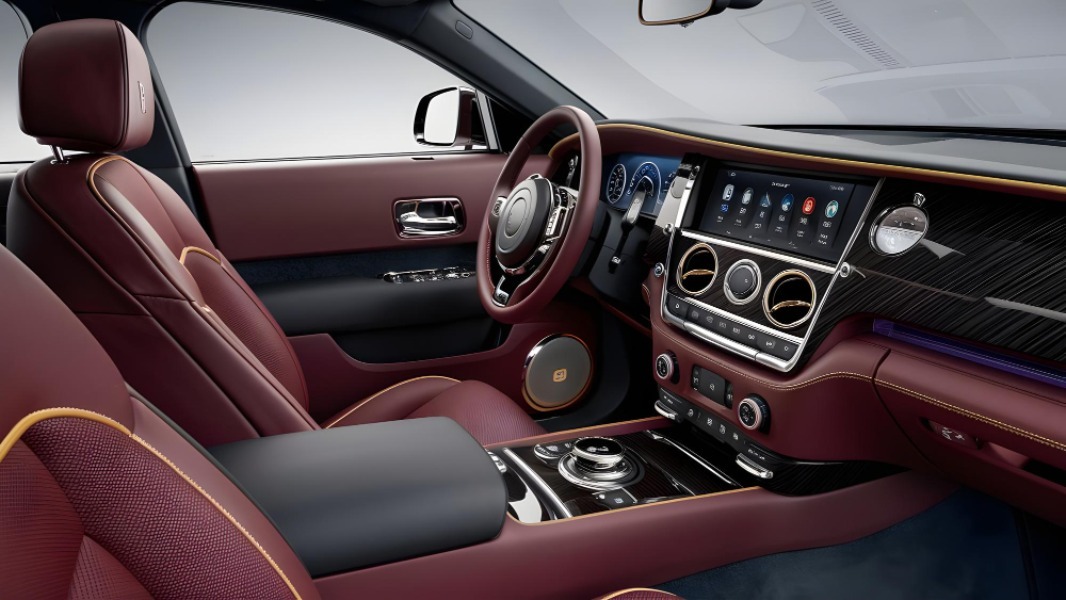
A balanced cabin generally uses a primary colour, a secondary colour and a restrained accent. Too many contrasting shades or textures can make the interior visually busy.
Owners can coordinate:
- Seat upholstery
- Door-pad inserts
- Dashboard accents
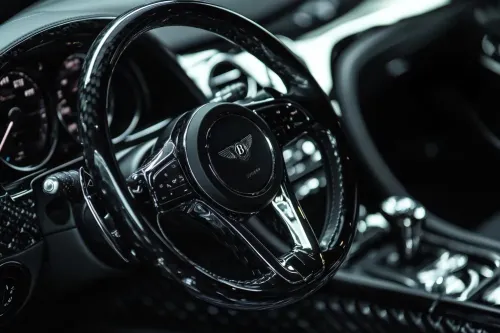
- Steering-wheel trim
- Roof lining
- Floor mats
- Seat belts where suitable
- Ambient-light colours
The exterior paint and existing dashboard colour can guide the palette. Reversible trim wrapping may be preferable to permanent alteration when resale value is important.
Plan Lighting Carefully
Ambient lighting can enhance the cabin when brightness, placement and colour are controlled. Visible wiring, uneven illumination and excessive brightness quickly reduce the premium effect.
Lighting should not distract the driver, reflect heavily on glass or interfere with controls. Products should use safe connections and appropriate circuit protection.
Request a Detailed Work Scope
Before the vehicle is dismantled, confirm exactly which parts will be removed, modified or replaced. The quotation should identify materials, colours, stitching patterns, electrical work and estimated completion time.
Photographing the original cabin and checking all functions at handover can help document the process.
Detailing Roadies By Car Stylein provides interior customization consultation for personal, premium and luxury vehicles in New Delhi, Delhi and Gurugram. The process can include coordinated upholstery, trim, lighting and accessory solutions selected according to the vehicle’s design and the owner’s daily needs.
Successful customization should improve comfort and character while preserving usability. When material quality, safety and visual balance are considered together, the cabin can feel personalized without appearing overworked.