
Customization can make a vehicle more comfortable, distinctive or enjoyable to drive. However, poorly planned upgrades may create electrical problems, affect reliability, reduce resale value or conflict with applicable regulations. Anyone considering car modification in Delhi should begin with clear objectives and a realistic understanding of compatibility.
A successful modification is not defined by how many accessories are added. It is defined by whether the finished vehicle remains safe, functional and coherent.
Starting Without a Clear Plan
Owners sometimes purchase individual products based on appearance and later discover that they do not work well together. Before choosing parts, decide whether the priority is:
- Interior comfort
- Exterior styling
- Audio quality
- Lighting improvement
- Paint protection
- Utility and storage
- Technology integration
- A theme for a show or enthusiast vehicle
Creating a phased plan helps control cost and reduces the likelihood of repeatedly dismantling panels.
Ignoring Vehicle Compatibility
A component that fits one model year may not suit another. Modern cars include integrated electronics, airbags, driver-assistance systems and networked control modules. Improper wiring or incompatible equipment equipment can trigger faults.
Ask whether the proposed accessory is compatible with the vehicle’s trim, factory head unit, battery capacity, warranty requirements and safety systems.
Using Unsafe Electrical Connections
Electrical modifications require particular care. Cutting factory wiring, using undersized cables or omitting proper fuses can cause malfunction and create a fire risk.
Additional lights, amplifiers, screens and powered accessories should be installed with appropriate wiring, grounding and circuit protection. Connections should remain accessible for diagnosis and should not interfere with airbags or control modules.
Choosing Appearance Over Visibility
Dark films, excessively bright lamps or unsuitable lighting colours may reduce visibility or create problems for other road users. Exterior modifications should comply with current motor-vehicle requirements.
Before changing lights, horns, number-plate areas, glass tint, body colour or structural components, verify the applicable rules in Delhi and any other state where the car is registered or regularly driven. Regulations can change, and online opinions should not replace current official guidance.
Overlooking Reversibility and Resale Value
Highly personalized interiors or permanent panel alterations may appeal to the current owner but reduce buyer interest later. If resale value matters, consider reversible upgrades.
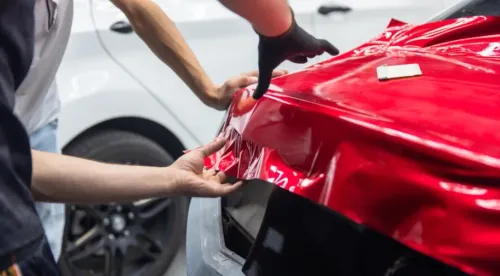
Vinyl accents, model-specific accessories, plug-compatible electronics and properly installed audio components may be easier to return to factory condition. Original parts should be stored safely.
Selecting Low-Quality Materials
Cheap trim, upholstery, adhesives and electronic accessories can deteriorate under Delhi’s summer heat. Panels may warp, adhesives may release, and poor-quality finishes may fade.
Evaluate products based on:
- Heat and UV resistance
- Fit and finish
- Electrical safety
- Manufacturer support
- Installation requirements
- Replacement availability
- Written warranty terms
An attractive showroom sample is not enough; the material should also withstand daily use.
Forgetting About Maintenance
Modified parts need care. Matte wraps cannot be polished like paint, aftermarket upholstery may need specific cleaners, and upgraded sound systems place additional demands on electrical components.
Detailing Roadies By Car Stylein assists vehicle owners in New Delhi, Delhi and Gurugram with customization planning, interior upgrades, exterior styling and compatible accessory installation. Discussing the complete vision before starting can prevent mismatched additions and unnecessary rework.
Good customization should feel integrated with the car rather than attached as an afterthought. Safety, compatibility and workmanship should remain the deciding factors throughout the project.