Exterior changes suit a daily driver when they solve a recurring problem without reducing clearance, visibility, sensor function or serviceability. By weighing protection, practicality, comfort, repair exposure and resale impact, you can separate useful upgrades from parts that create more hassle than value.
Key takeaways
- Choose modifications that solve recurring driving problems, not only styling preferences.
- Reject parts that reduce ground clearance, visibility, comfort or sensor performance.
- Check wheel fitment, tyre clearance and camera or radar compatibility before installation.
- Keep original parts and choose reversible work to protect future resale value.
Start With the Daily-Driver Test: Function or Appearance?
Are exterior car modifications good for daily drivers? Yes, when the change solves a recurring problem without reducing safety, clearance, comfort or serviceability. A modification is practical if you will notice its benefit during ordinary trips, not only when the car is parked for photographs.
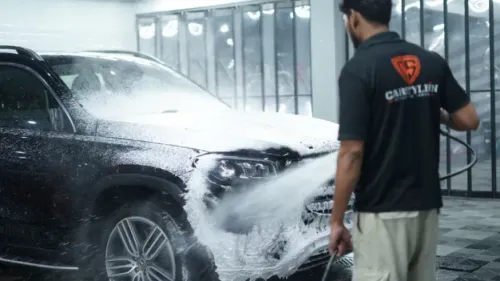
Start with the function test. Paint-protection film (PPF) helps absorb some stone-chip and abrasion damage on exposed paint, while a ceramic coating mainly improves gloss, water behaviour and cleaning resistance. PPF is not armour: a deep impact can cut through it.
A large spoiler, aggressive body kit or oversized badge is cosmetic unless it delivers a clear, measurable benefit.
Use these questions before approving car customization for daily use:
- Does it protect a frequently damaged area or make cleaning, visibility or parking easier?
- Does it preserve the manufacturer’s approved tyre size, load index, speed rating and ground clearance?
- Will it leave lamps, reflectors, number plates, cameras, radar and parking sensors unobstructed?
- Can a technician reach the jack points, tow hooks, service panels and sensors without removing the modification?
- What happens after a scrape: can you replace one section, or must you repair an expensive custom assembly?
If the answer is appearance alone, calculate the trade-off: added width, wind noise, reduced approach angle, higher repair cost and harder resale inspection. Keep it only when that cost matches your priorities.
The Real Benefits and Costs in City Traffic
The car exterior modification benefits that matter in Delhi and Gurugram are protection, clearance, visibility and parking practicality—not dramatic styling. PPF on the bonnet, bumper and mirror caps helps resist stone chips and roadside abrasion; it will not stop a deep impact.
Ceramic coating makes monsoon mud and road film easier to wash away, but it does not prevent dents or paint chips.
| Option | Daily-use benefit | City-traffic cost |
|---|---|---|
| PPF | Protects painted panels from chips and scuffs | Deep impacts can cut the film, and replacement costs more than polishing |
| Ceramic coating | Improves water behaviour, gloss and cleaning | Needs surface preparation; it offers no impact protection |
| Lowering springs or coilovers | Sharper response and a lower stance | Less bump travel causes scraping and bottoming on speed breakers and broken roads |
| Large wheels or low-profile tyres | More immediate steering feel | Less sidewall cushioning, greater pothole damage and possible fender rubbing |
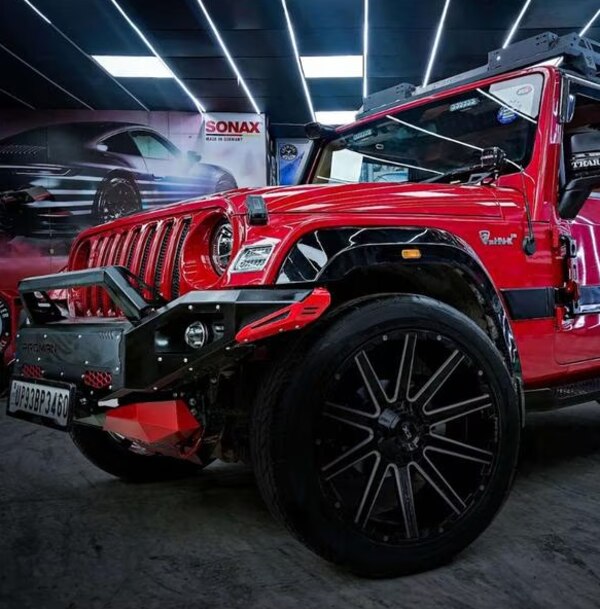
| Body kits or splitters | Can improve appearance and airflow | Reduced approach angle catches ramps, parking stops and steep basement entries |
| Wraps or badges near sensors | Changes colour or styling | Incorrect openings, thick film or altered angles can affect radar, cameras and parking sensors |
During monsoon traffic, retain the factory ride height, tyre load rating and lighting visibility. In congestion, added width makes mirror-to-mirror gaps harder; in roadside parking, exposed skirts and low bumpers become targets for kerbs and motorcycles. Check full-lock clearance, loaded suspension clearance and sensor operation before fitting anything.
A practical modification also preserves number plates, jack points and service access. Every trim panel removed for a sensor scan or headlamp replacement becomes a recurring ownership cost, while non-factory parts can complicate insurance claims and resale inspection.
Match Each Modification to the Problem It Solves
The strongest car exterior modification benefits come from solving a recurring problem, not adding a vulnerable part. For exterior modifications for daily driver cars, prioritise protection, visibility, clearance and easy servicing over visual drama.
| Modification | Problem it solves | Daily-use trade-off |
|---|---|---|
| Body kits | Refresh damaged panels or change styling | Splitters, side skirts and wide-body extensions reduce clearance, catch curbs and can interfere with parking sensors or radar |
| Spoilers | Stabilise airflow at higher speeds or replace a damaged factory part | Large wings add little value at city speeds, increase breakage risk and complicate boot access or cleaning |
| Alloy wheels | Replace damaged steel wheels or reduce unsprung weight | Oversized or low-profile combinations transmit pothole impacts, bend more easily and cost more to replace |
| Wraps | Change colour and make cleaning or panel replacement simpler | They conceal poor repairs, lift from contaminated paint and do not prevent deep chips or dents |
| Paint protection film | Reduce stone-chip and abrasion damage on bumpers, bonnet and door edges | PPF is not armour; a deep impact can cut through it, and installation cannot rescue failing clear coat |
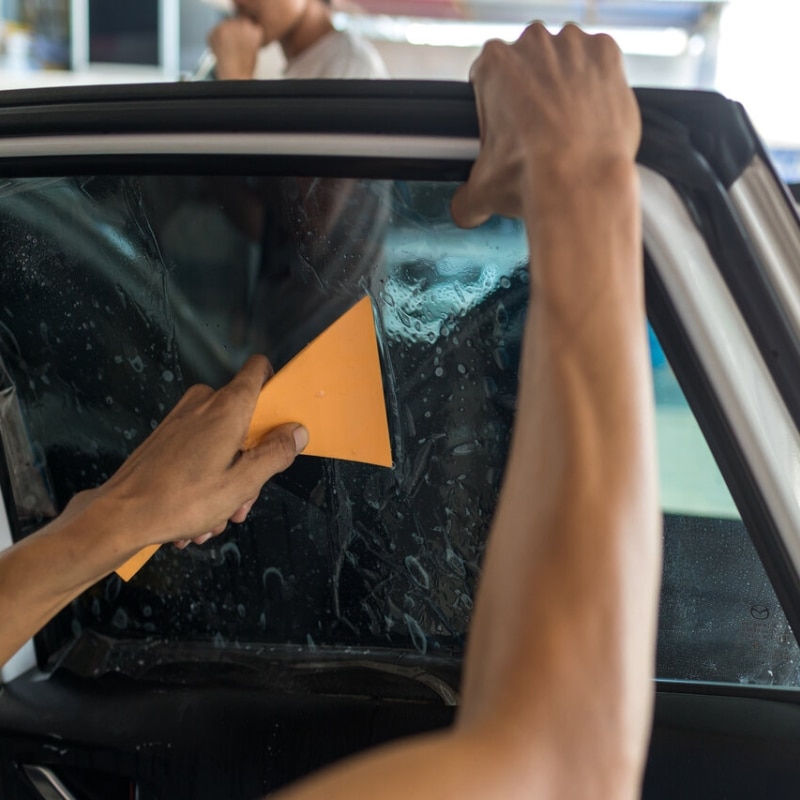
| Window film | Reduce glare and cabin heat | Excessive tint reduces night visibility and can create compliance problems; never tint lamps |
For a reliable commuter, PPF on high-impact areas usually offers more function than a spoiler or decorative body kit. Keep any modification removable, away from sensor windows, and compatible with the manufacturer’s lighting, tyre and clearance specifications.
Check Wheels, Clearance and Sensor Compatibility Before Fitting
A wheel or body part is daily-driver safe only after you check clearance, load capacity and sensor operation—not because it bolts on. Compare the proposed wheel and tyre with the manufacturer’s approved sizes, then measure the actual changes in width, overall diameter and offset.
1. Record the wheel diameter, width, offset, bolt pattern and centre bore. Confirm the tyre’s load index and speed rating meet or exceed the factory specification; a low-profile tyre with less sidewall absorbs fewer pothole impacts and transmits more noise.
2. Check the tyre against the suspension, brake caliper and inner wheel arch at full steering lock. Repeat with the suspension compressed and the vehicle carrying its normal passenger and luggage load. Look for rubbing at the outer fender, spring perch and liner, not just while the car is stationary and unloaded.
3. Measure ground clearance and approach, departure and ramp-over angles after fitting a body kit or spoiler. Drive slowly over the steepest speed breaker you use; contact marks underneath will become cracks, loose fasteners and expensive repairs.
4. Keep grilles, bumper covers, wraps and badges away from radar, cameras and ultrasonic parking sensors. Do not cover sensor windows with paint or film, and check that openings preserve the original angle. Run the vehicle’s parking and driver-assistance functions, then arrange calibration when a modification sits near a sensor.
5. Confirm tyre-pressure monitoring sensors transfer, relearn or reprogramme correctly. A sensor warning, altered steering kickback or difficult parking makes exterior modifications for daily driver cars a poor trade.
Choose an Installation That Remains Usable and Resale-Friendly
Car customization for daily use starts with the removal plan, not the visual mock-up. The answer to are exterior car modifications good for daily drivers depends on whether the part remains safe, serviceable and insurable after months of use.
| Option | Verify before approval | Why it matters |
|---|---|---|
| PPF or vinyl wrap | Confirm polyurethane or cast vinyl grade, surface preparation, paint condition, existing chips and clear-coat failure | Contamination, weak paint and old adhesive can cause lifting, residue or paint damage during removal |
| Body kit, grille or badge | Check sensor openings, radar and camera clearance, reflector visibility, cooling airflow, tow hooks and jack points | Thick or metallic parts can trigger warnings, obstruct safety hardware or make roadside recovery harder |
| Lamps and number plates | Keep lamps and reflectors unobstructed; retain the registration plate in its intended visible position, away from radar and cooling openings | A stylish relocation can reduce visibility, interfere with sensors or create a compliance problem |
| Any fitted part | Ask whether oil changes, headlamp replacement, sensor scans and bumper access require trim removal | Repeated dismantling turns a cheap-looking upgrade into an ownership cost |
Before signing, have the installer photograph the original paint and record the part number, adhesive, lighting specification and removal method. Tell your insurer about non-factory parts and obtain written confirmation of coverage; a claim can become disputed when the modification is undeclared.
Detailing Roadies By Car Stylein can make this inspection part of the handover discussion rather than leaving removal assumptions undocumented.
Related products
 | Car Modification Enhance your car’s appearance with our professional car exterior modification services in Delhi & Gurugram. View product → |
 | Car Modification Looking for complete car modification services in Delhi? Detailing Roadies provides end-to-end solutions for both interior and exterior upgrades. View product → |
Frequently asked questions
Are exterior car modifications good for daily drivers?
Yes, when they solve a recurring problem without reducing safety, ground clearance, comfort or serviceability. A practical modification delivers benefits during ordinary trips, not only at parked-car meets.
What are the main car exterior modification benefits in city traffic?
Useful benefits include better lighting, added parking protection, improved visibility and easier vehicle access. Balance each benefit against tighter spaces, speed breakers, traffic damage, cleaning effort and maintenance.
How do I match an exterior modification to the problem it solves?
Define the recurring problem first, such as bumper scrapes, poor night visibility or difficult parking. Choose the least intrusive part that addresses it, then confirm its effect on clearance, visibility and service access.
What should I check before fitting wheels or exterior accessories?
Confirm wheel diameter, width, offset, PCD, centre bore, tyre size and load rating. Check suspension and body clearance at full steering lock and compression, then test parking sensors, cameras, radar and automatic features.
Related products
 | Car Accessories Upgrade your driving comfort with our premium car window film installation in Delhi. View product → |
 | PPF Protect your car’s paint with our high-quality Paint Protection Film (PPF) service in Gurgaon. View product → |
 | Coating Experience next-level car protection with our graphene coating service in Delhi. View product → |
Keywords