A high odometer reading does not decide whether a graphene coating will work; the condition of the paint, the way you use the car and how long you will keep it matter more. You will be able to assess your car, identify preparation risks and compare coating with PPF, wax, sealant or no treatment before requesting a quote.
Key takeaways
- Mileage does not decide suitability; clearcoat condition does.
- Reject coating when paint is peeling, chalking or structurally failing.
- Compare graphene coating with PPF, sealants, wax and no protection.
- Ask installers to explain correction, decontamination and coating preparation.
Mileage Is a Clue, Not a Pass-or-Fail Test
A 180,000-kilometre car can take a coating successfully if its clearcoat remains bonded and structurally sound. Mileage itself does not prevent adhesion, reduce gloss or guarantee early failure. A 40,000-kilometre car with peeling, delaminating, chalking or heavily oxidised clearcoat is a worse candidate because coating cannot stabilise failing paint.
Age changes the preparation required, not the basic decision. The graphene coating benefits for older cars include stronger gloss, easier washing and better resistance to environmental contamination after decontamination and polishing. It will not rebuild missing paint, permanently fill deep scratches, reverse oxidation or make weak clearcoat sound.
Your ownership plan matters. Coating makes more sense when you will keep the vehicle long enough to maintain it and want to preserve presentable paint. If you plan to sell soon, spend first on essential correction rather than paying for protection whose value you may not recover.
Annual kilometres and parking also matter: a high-mileage car parked outdoors faces more road film, bird droppings and water spotting than a low-mileage garage-kept car.
The practical case for graphene coating for high mileage cars is strongest when the paint passes inspection, the car will remain in service, and you accept regular washing. Use non-abrasive materials, remove droppings promptly and dry hard-water residue instead of assuming water repellency prevents mineral spots.
A coating reduces cleaning effort; it does not remove maintenance.
Inspect the Paint Before You Pay for Coating
A high-mileage car can accept a coating if its clearcoat remains firmly attached and reasonably uniform; the odometer reading does not determine adhesion. Peeling, delaminating, chalking, heavily oxidised or missing clearcoat makes the car a poor candidate because coating cannot rebuild failing paint.
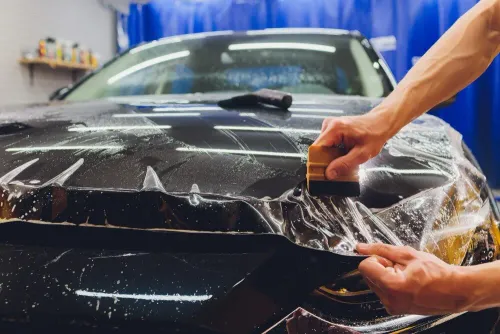
1. Wash and chemically decontaminate the panels. Remove iron particles, tar, tree sap and bonded road film before judging the surface; contamination can hide defects and reduce preparation quality.
2. Inspect the paint under direct sunlight and a strong LED light. Look for clearcoat lifting around panel edges, cloudy oxidation, exposed primer, rust, deep scratches, stone-chip craters and uneven colour from previous repairs.
3. Check repaired panels with a paint-thickness gauge. A very thin reading limits polishing, while large thickness differences suggest filler or repainting that requires closer inspection before correction.
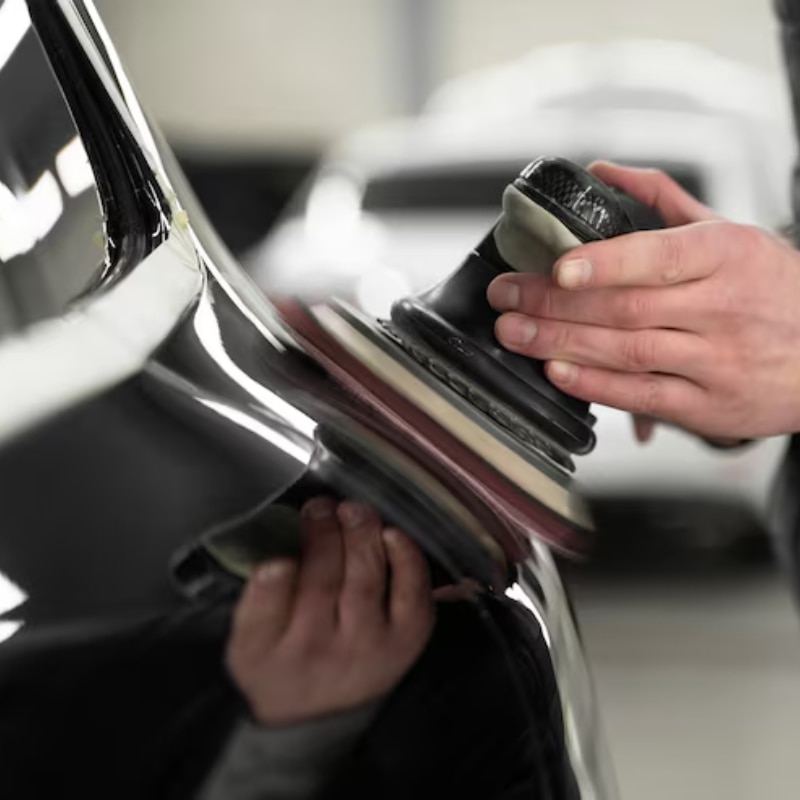
4. Polish a test section before approving the full job. Light swirls and haze can improve, but deep scratches, permanently etched marks and widespread clearcoat failure will remain or require repainting.
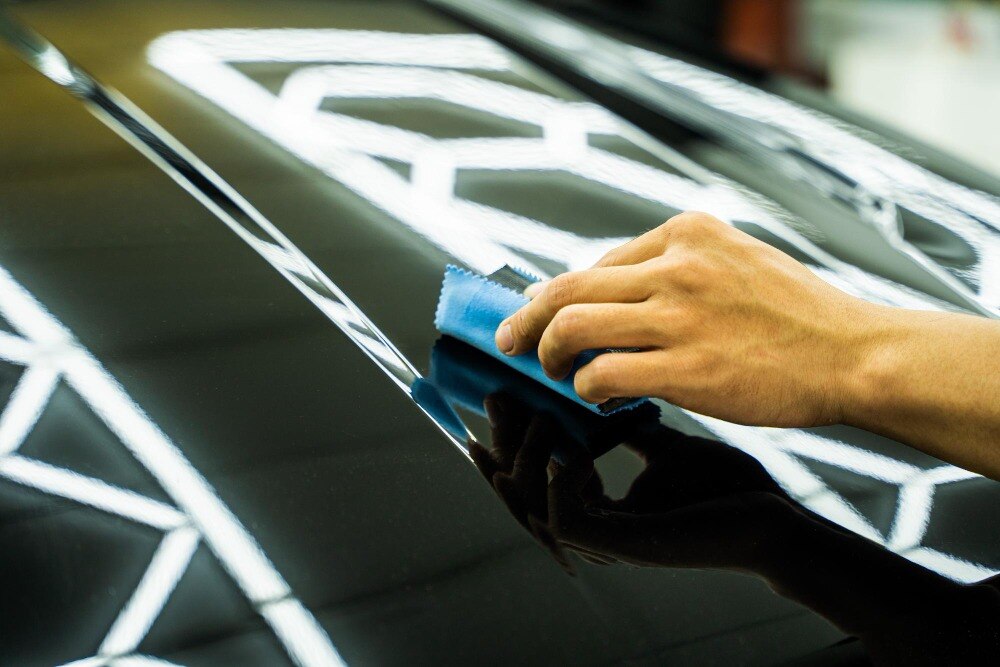
The graphene coating benefits for older cars—more gloss, easier cleaning, water beading and some resistance to environmental contamination—depend on sound paint and proper correction. Do not pay for a coating to disguise defects: it will not make faded paint structurally sound or permanently fill deep scratches.
If the clearcoat is stable but weathered, correction followed by coating is reasonable; if it is failing, repainting or leaving the surface untreated is the more honest choice.
What Protection Do Daily and Highway Cars Actually Get?
The main gain is reduced cleaning effort, not immunity from road damage. Graphene coating for daily use cars helps water, road film, oily pollution, tree sap, bird droppings and insect residue release more easily after preparation. These contaminants can still stick, stain or etch the clearcoat, so remove them promptly.
| Use or hazard | What the coating makes easier | What still reaches the paint |
|---|---|---|
| Daily commuting | Washing off dust, road grime and light pollution | Bird-dropping etching, sap stains and embedded contamination |
| Highway driving | Removing insects, road film and some tar | Stone chips, gravel strikes and roadside-debris abrasion |
| Wet weather | Water beading and faster drying | Water spots from mineral deposits |
| Routine washing | Less effort with a pH-neutral shampoo and clean microfiber | Swirl marks from abrasive brushes or dirty cloths |
| Minor surface contamination | Maintaining gloss after decontamination | Deep scratches, clearcoat failure and missing paint |
Graphene coating for highway driving is not a substitute for paint-protection film. A liquid coating offers no meaningful barrier against repeated impact, deep scratches or heavy abrasion. It also cannot rebuild oxidised or failing clearcoat, permanently fill scratches, or make faded paint structurally sound.
Protect the coating by avoiding brush-based automatic washes, strong degreasers, solvent exposure and repeated abrasive polishing. Follow the specified shampoo and maintenance schedule; otherwise, the easier-cleaning benefit and service life will decline.
Compare the Coating With PPF, Wax, Sealant and Doing Nothing
The best choice depends on the damage your car faces, not its odometer reading. Compare the options against use, cost and ownership horizon:
| Option | Strength | Best fit |
|---|---|---|
| Graphene coating | Gloss, water beading and easier cleaning; little impact protection | Sound paint, daily use, and ownership of several years |
| PPF | Resists stone chips, abrasion and deeper road damage | Highway driving, premium cars, or exposed panels worth protecting |
| Wax | Low upfront cost and quick application; short service life | A car you may sell soon or maintain frequently |
| Sealant | Longer-lasting chemical and water protection than wax | Budget-conscious owners wanting simpler upkeep |
| Doing nothing | No treatment cost; existing paint remains exposed | Very short ownership or paint already needing major repair |
A graphene coating for high mileage cars makes sense when the clearcoat is intact and you plan to keep the vehicle long enough to benefit from easier washing. It cannot stop chips, deep scratches or gravel impact, so PPF suits a highway-heavy car better.
For graphene coating for daily use cars, expect reduced cleaning effort, not a wash-free finish. Bird droppings, insects, sap and oily road film still need prompt removal, and abrasive automatic brushes can shorten the coating’s life.
Choose wax or sealant when your budget or ownership horizon is short. Choose nothing when correction and repainting cost more than the car justifies. A coating is the middle ground: more durable than wax, less protective than PPF, and worthwhile only with proper preparation and maintenance.
Ask for Preparation Details Before Choosing an Installer
Before booking, ask for the exact product name and technical data sheet. Confirm whether it is a graphene-infused ceramic coating or a different formulation; “graphene” alone does not make durability claims comparable. A graphene coating service Gurugram quote that omits preparation can produce a worse result than a simpler coating applied correctly.
Use this checklist:
- Preparation: Confirm iron and tar removal, clay treatment, machine polishing, scratch correction, panel wipe and paint inspection under bright inspection lighting. Ask which defects will remain.
- Curing: Get the required temperature, humidity, indoor time, water-free period and first-wash date in writing. Do not expose a fresh coating to rain or washing before it cures.
- Maintenance: Request the approved shampoo, washing method, drying materials and schedule. Avoid brush tunnels, abrasive polishing, strong degreasers and solvent exposure.
- Coverage: Read the warranty exclusions, inspection requirements, claim process, aftercare visits and service area. Ask whether bird-dropping etching, stains, chips and repainted panels are excluded.
| Item | Verify | Warning sign |
|---|---|---|
| Product | Exact name, batch details and TDS | Only a verbal “five-year” promise |
| Preparation | Included correction and decontamination | One fixed price for every paint condition |
| Curing | Controlled indoor process and written timings | Drive-away service with no aftercare |
| Maintenance | Products, washing rules and follow-up | Warranty with no maintenance conditions |
For graphene coating for highway driving, also confirm that the warranty excludes stone chips and gravel impact; liquid coating does not replace PPF. Detailing Roadies By Car Stylein should answer these points clearly before you compare its quote.
Related product
 | Coating Experience next-level car protection with our graphene coating service in Delhi. View product → |
Frequently asked questions
Is graphene coating suitable for a high-mileage car?
Yes, when the clearcoat remains bonded and structurally sound. High mileage alone does not prevent adhesion or gloss.
What paint defects make graphene coating a poor choice?
Peeling, delamination, chalking and heavy oxidation indicate failing clearcoat that a coating cannot stabilise.
Does graphene coating protect daily-use and highway-driven cars?
It can simplify cleaning and add resistance to environmental contamination, but it does not prevent stone chips, scratches or failing paint.
How does graphene coating compare with PPF, wax and sealant?
Graphene coating offers durable surface protection and gloss, while PPF provides stronger impact protection; wax and sealants require more frequent renewal.
What should you ask a graphene coating installer before booking?
Ask how they will inspect and correct the paint, remove contamination, document the product and prepare the surface before application.
Keywords