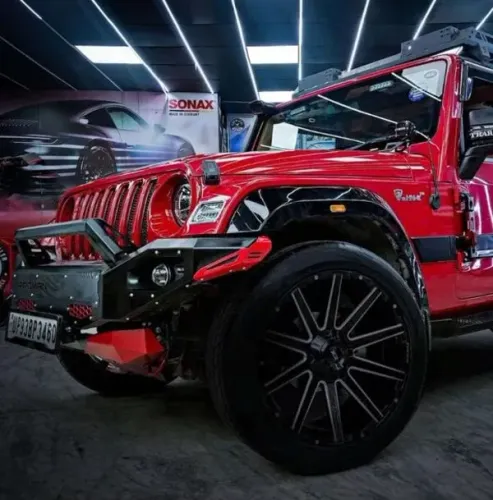
Delhi traffic exposes a car’s front end to stone chips, sand, construction grit, two-wheeler traffic and repeated close-quarters manoeuvring, but PPF is not protection against every kind of damage. You will be able to match the coverage area, film type and installation effort to your car’s paint condition, driving pattern and ownership plans.
Key takeaways
- Protect bumpers, bonnet edges, mirrors and door edges before low-risk painted panels.
- Choose PPF for impact protection; coatings protect against contamination but not stone chips.
- Inspect film thickness, edge wrapping, paint preparation and warranty before installation.
- Skip full-car PPF when existing paint damage or low annual driving weakens the value.
What Delhi traffic does to a daily-driven car
Delhi’s dense traffic puts the front of a daily-driven car in the firing line. Frequent braking leaves little distance from buses, trucks and autos, while lane-filtering two-wheelers pass close to mirror caps, A-pillars and door edges.
Exposed front-end driving on ring roads, highways and construction routes adds stone chips, sand and road debris at higher speeds.
| Area | Main risk | What PPF can do |
|---|---|---|
| Front bumper and corners | Gravel, sand and contact with loose debris | Reduce chips and light surface scratches |
| Bonnet leading edge | Direct forward-facing impact | Absorb many small chips |
| Front fenders | Spray and debris behind the bumper | Protect paint from repeated strikes |
| Mirror caps and A-pillars | Two-wheeler proximity and thrown grit | Reduce light scuffs and chips |
| Behind front wheels | Tyre-thrown sand and stones | Shield vulnerable painted sections |
| Door edges | Tight traffic and careless opening | Reduce superficial edge marks |
| Luggage-loading areas | Bags, zips and loading friction | Limit light surface scratches |
That is the practical case for PPF for daily-driven cars and PPF for road debris: it is a barrier, not armour. A high-energy impact can cut through the film and mark the paint beneath it.
PPF does not prevent dents, deep gouges, vandalism, parking impacts, crash damage or damage reaching the metal or plastic substrate. Self-healing uses sunlight or warm water to soften fine marks in the film’s top layer; it does not close punctures, cuts or impact damage.
Front-end PPF or full-car coverage: which areas deserve your money?
A front-end kit usually gives a Delhi commuter the strongest protection per rupee. It covers the surfaces most exposed to stones, sand and debris without paying to wrap panels that rarely take direct impact.
| Option | Coverage | Best fit | Cost trade-off |
|---|---|---|---|
| Targeted panels | Bumper corners, bonnet edge, or mirror caps | Low-speed city use and short ownership | Lowest cost, but more paint remains exposed |
| Front-end package | Bumper, partial or full bonnet, fenders, mirrors and rear-of-front-wheel panels | Regular ring-road, highway or construction-route driving | Higher cost with strong impact-zone coverage |
| Full-car PPF | Painted exterior panels, including doors and rear quarters | Expensive, dark-coloured or newly purchased cars kept for years | Broadest protection and substantially higher installation cost |
A sensible high-value front kit includes:
- Front bumper, including its corners
- Bonnet leading edge or a partial bonnet section
- Front fenders
- Mirror caps
- Panels behind the front wheels
Targeted coverage can be enough for a low-speed commuter whose main concern is a few visible chips. Choose the larger front kit if fast ring roads or highways regularly put gravel into the front of the car.
Full-car PPF makes sense when preserving factory paint matters greatly, especially on a high-value, dark-coloured or recently purchased vehicle. Before choosing car ppf in delhi, check whether uncovered door edges, A-pillars or luggage-loading zones will frustrate you later.
The answer to “is ppf worth it for daily driving in delhi” is conditional: broader protection costs more, but it protects more of the finish you notice and value.
How PPF compares with coatings, wraps and doing nothing
Paint protection film worth it? Only if reducing visible stone-chip damage matters more to you than paying for installation now. PPF is a thermoplastic polyurethane impact barrier; ceramic and graphene coatings mainly change water behaviour, gloss and cleaning effort.
| Option | What it protects against | Main trade-off |
|---|---|---|
| PPF | Stone chips, sand strikes and light surface scratches | Higher upfront cost; cuts and punctures still damage the film |
| Ceramic or graphene coating | Water spotting, grime adhesion and washing effort | No comparable barrier against road debris |
| Wax or sealant | Slickness and short-term surface protection | Does not stop chips from reaching paint |
| Vinyl wrap | Colour and finish changes, with a thin added layer | Not a direct substitute for chip protection |
| No protection | Nothing beyond the factory paint | No installation cost, but damage remains exposed |
A coating over PPF can make the film glossier, slicker and easier to clean. It cannot repair PPF that has already been cut or punctured. Self-healing film handles fine marks in its top layer, not deep impact damage.
Doing nothing leaves you exposed to paint correction, touch-up work, panel repainting and colour-matching costs after damage accumulates. Vinyl wrap can be the right choice for a colour change, while wax suits a low-cost maintenance routine, but neither replaces PPF where Delhi debris is the concern.
The trade-off is direct: pay now to reduce visible impact damage, or accept later cosmetic work and its uncertainty.
What preparation, installation and maintenance determine the result?
The result depends on the paint beneath the film, the installation, and the care that follows. PPF for daily driven cars protects sound factory paint best; it does not hide or correct defects.
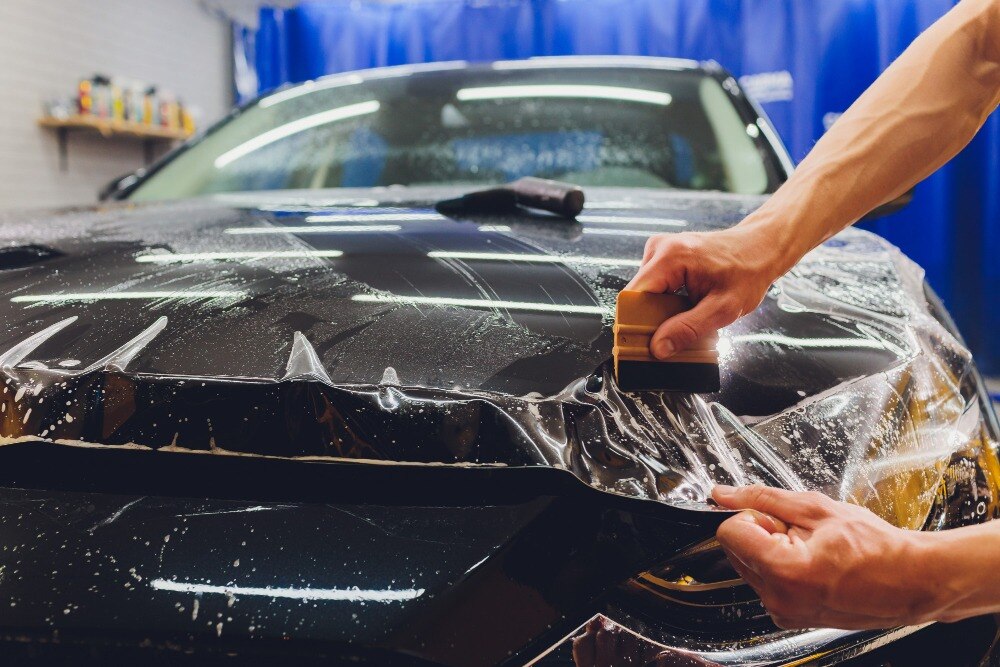
1. Check the panels before installation. Correct stone chips and deep scratches first, and remove oxidation, contamination and evidence of poor repairs. Repainted panels need proper curing and inspection because weak or low-quality paint can lift during film removal.
2. Inspect the finished installation in bright light. Look for trapped dirt, distorted or overstretched film, visible seams, poorly finished edges, and contamination around badges and panel gaps. Wrapped edges stay cleaner and are less likely to catch, but an exposed edge can lift if you aim a pressure-washer nozzle closely at it.
3. Wash Delhi dust and grit away before touching the surface. Use plenty of lubrication and clean wash media; never dry-wipe a dusty panel, because grit abrades both film and exposed paint. Remove bird droppings, insects and tree sap promptly, then clear hard-water deposits before they etch or stain the film’s topcoat.
4. Treat lifting film as a repair issue, not a surface to keep pushing down or scrubbing aggressively. Film life, removal risk and warranty depend on the product, ultraviolet and heat exposure, chemicals and installation quality. PPF is a consumable layer, not permanent immunity from contamination or damage.
The Delhi decision test: when is PPF worth it for your car?
The answer to “is ppf worth it for daily driving in delhi” depends on eight checks, not on the car’s age alone.
| Check | Stronger case for PPF | Leaner choice |
|---|---|---|
| Vehicle age | New car with original paint | Older car needing correction first |
| Paint condition | Sound, chip-free factory paint | Repainted, oxidised or heavily scratched panels |
| Colour | Dark paint where chips stand out | Light colour with low chip visibility |
| Annual kilometres | High mileage and daily exposure | Low-mileage use |
| Highway use | Frequent highways, ring roads or construction routes | Slow local trips |
| Parking | Open parking under dust, sun and trees | Covered, controlled parking |
| Ownership | Keeping the car for many years | Selling or replacing it soon |
| Factory paint | Resale and original finish matter | Preservation has little value |
For a low-speed city car or short ownership period, front-only or targeted coverage is usually the cleaner budget decision. Prioritise the bumper, bonnet leading edge, front fenders, mirror caps and panels behind the front wheels; choose full-car coverage for a new, expensive, dark-coloured car driven hard and kept long-term.
If chip visibility and resale preservation do not matter, careful washing may be better value.
“car ppf in delhi” becomes more defensible when preventing front-end chips matters more than installation cost. Detailing Roadies By Car Stylein can assess panel condition, map impact zones and shape the coverage plan instead of treating full-car PPF as automatic.
PPF is poor value if you expect dent immunity, zero maintenance or permanent protection. It will not stop every impact.
Related product
 | PPF Protect your car’s paint with our high-quality Paint Protection Film (PPF) service in Gurgaon. View product → |
Frequently asked questions
What parts of a daily-driven car in Delhi need PPF first?
Prioritise the front bumper, bonnet leading edge, headlights, mirror caps, A-pillars, door edges and rocker panels. These areas face road debris, close passes and repeated contact in traffic.
Is front-end PPF better than full-car PPF for Delhi driving?
Front-end PPF gives the strongest protection where chips and debris strikes occur. Full-car coverage makes sense when you want consistent paint protection across doors, rear quarters and other exposed panels, and your budget supports it.
How does PPF compare with ceramic coatings, wraps and leaving paint unprotected?
PPF absorbs many light impacts and helps prevent chips. Ceramic coatings improve gloss and resistance to dirt and chemical contamination but do not replace impact protection. Wraps change appearance and add limited surface protection, while doing nothing costs less upfront but leaves paint exposed.
What should you check before installing car PPF in Delhi?
Check the film’s written warranty, thickness, finish, repair or replacement terms and installer experience. Confirm that the shop will wash, decontaminate, inspect and correct the paint before installation, then wrap accessible edges where practical.
Keywords