New paint can lose its flawless appearance surprisingly quickly. Small stones, road debris, parking contact and careless washing can leave chips or scratches on exposed panels. Paint protection film, commonly called PPF, is designed to create a transparent physical barrier over painted surfaces.
It is widely considered for new, luxury and premium vehicles, but its usefulness depends on driving conditions, installation quality and the areas covered.
What Is Paint Protection Film?
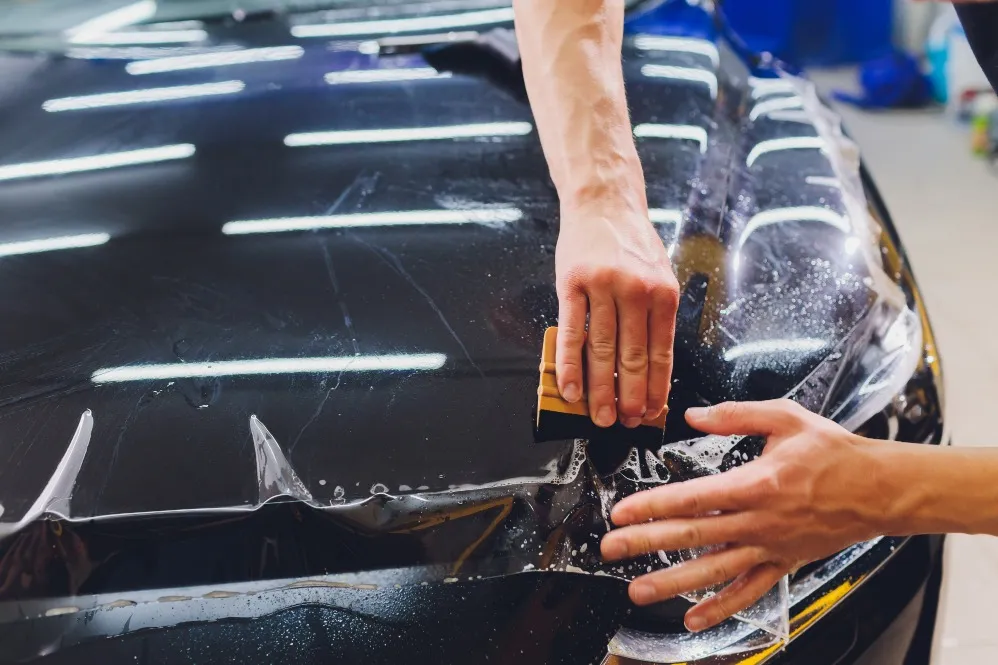
PPF is a flexible transparent film applied over automotive paint. Modern films are generally designed to preserve the appearance of the original finish while protecting it from common physical damage.
Depending on the product, the film may offer:
- Resistance to stone chips
- Protection from light abrasions
- Reduced risk of minor surface scratches
- A barrier against insects and road contaminants
- Easier maintenance of high-impact panels
- Self-healing of certain light marks with heat
“Self-healing” does not mean the film can repair cuts, punctures or deep damage. It usually refers to the ability of the top layer to reduce fine surface marks under suitable warmth.
Which Areas Benefit Most?
Full-body PPF offers the widest coverage, but partial packages can protect the panels most exposed to road impact.
Frequently selected areas include:
- Front bumper
- Bonnet
- Front fenders
- Side mirrors
- Headlamp surfaces where appropriate
- Door edges
- Door-handle recesses
- Rocker panels
- Luggage-loading area
For cars regularly driven on Delhi–Gurugram roads or highways around the National Capital Region, the front bumper, bonnet and mirrors commonly receive the greatest exposure.
PPF and Ceramic Coating Serve Different Purposes
These treatments are sometimes confused. Ceramic coating primarily enhances surface slickness, gloss and resistance to environmental contamination. PPF provides a thicker physical layer designed to absorb minor impacts and abrasions.
A ceramic coating cannot stop a sharp stone from chipping paint. PPF cannot make a car maintenance-free. Some owners use both: PPF for impact protection and a compatible coating for easier cleaning.
Installation Quality Matters
Even premium film may perform poorly if installed on inadequately prepared paint. The vehicle should be washed, decontaminated and inspected before application. Existing scratches, chips or repainting need to be discussed because the film will not conceal every defect.
Careful installers pay attention to:
- Clean working conditions
- Accurate panel preparation
- Edge alignment
- Minimal visible seams
- Controlled stretching
- Safe cutting techniques
- Proper curing and final inspection
Pre-cut patterns can reduce the need for cutting near paint, although installation methods vary by panel and vehicle design.
What Maintenance Does PPF Require?
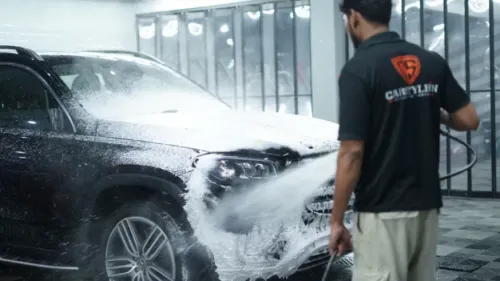
After installation, the film needs time to settle. Some moisture pockets or slight haze may be visible initially and can reduce during curing. The installer should explain when washing is safe and when the car should return for inspection.
For ongoing care:
- Use pH-appropriate car shampoo.
- Avoid harsh brushes and abrasive compounds.
- Remove bird droppings and insect residue promptly.
- Keep pressure-washer nozzles away from film edges.
- Do not pick at a lifting corner.
- Use only film-compatible cleaners and detailing products.
The lifespan of PPF varies with film quality, climate exposure, parking, maintenance and installation standards.
Detailing Roadies By Car Stylein offers paint-protection assessments for vehicles in New Delhi, Delhi and Gurugram. Before choosing coverage, owners should consider how the car is used, where it is parked and which panels face the greatest risk. A correctly selected PPF package protects vulnerable paint without requiring unnecessary coverage.
Keywords