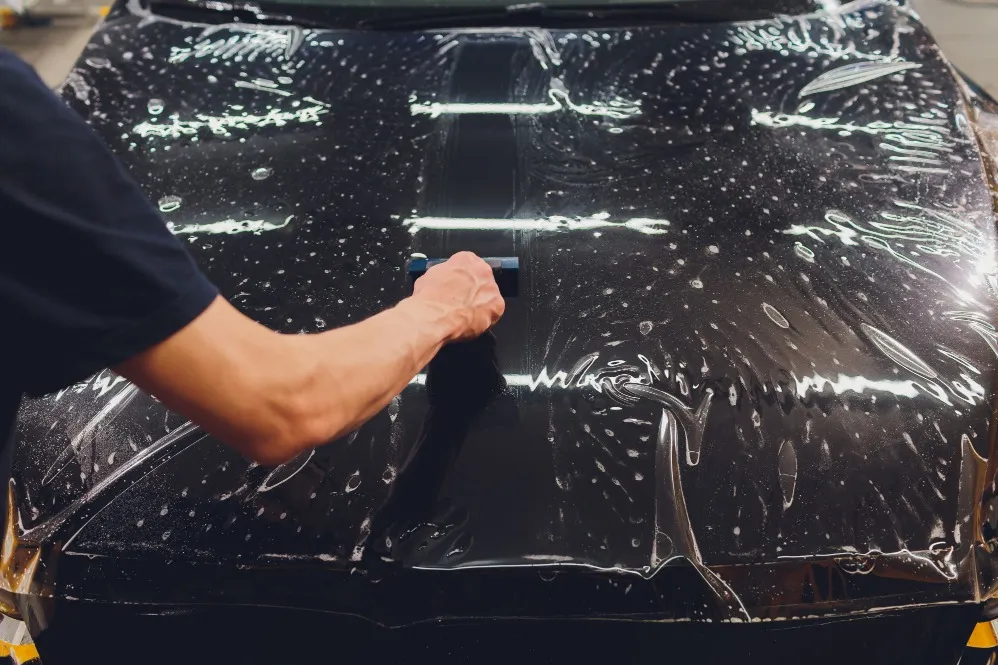
Searching for PPF coating in Delhi often produces quotations that vary widely. Two packages may both be described as premium paint protection, yet differ in film construction, coverage, surface preparation, installation quality and warranty conditions. Comparing only the final price can therefore lead to disappointing results.
A more useful buying decision considers the material, installer and aftercare as one complete system.
Confirm What Type of Film Is Being Offered
Not every transparent automotive film performs in the same way. Ask the studio to identify the film series, finish, thickness and intended application.
A suitable automotive PPF should provide clarity, flexibility and resistance to yellowing under normal conditions. The top coat may offer stain resistance, hydrophobic behaviour and limited self-healing of light surface marks.
Request written product information rather than relying only on terms such as “German,” “imported” or “premium.” These descriptions do not independently establish quality.
Compare Actual Coverage
A low quotation may cover less than expected. Confirm whether the package includes complete panels or selected impact zones.
For example, a “front package” might include:
- Front bumper only
- Bumper and partial bonnet
- Bumper, full bonnet and mirrors
- Complete front end with fenders and headlamps
Ask whether door edges, handle recesses, pillars, rocker panels and boot-loading areas are separately charged. Clear scope prevents confusion after installation begins.
Inspect the Paint Before Application
PPF is transparent, so existing defects may remain visible underneath it. The car should be assessed for scratches, chips, contamination and repainted panels.
A reputable studio should discuss whether polishing is advisable and explain the limitations of installing film over damaged or recently repainted surfaces. Paint-thickness readings can provide useful information where correction is planned.
New cars also need inspection. Dealership washing, transport and storage can leave light scratches or contamination even before delivery.
Evaluate Installation Standards
PPF installation involves much more than applying a sheet to a panel. Complex curves, badges, sensors, edges and trim require careful handling.
When visiting a studio, look for:
- A clean and well-lit installation area
- Proper panel washing and decontamination
- Careful handling around sensitive components
- Controlled use of slip and tack solutions
- Consistent edges and minimal contamination
- Clear procedures for post-installation inspection
- Technicians familiar with premium and luxury vehicles
Ask whether patterns are digitally pre-cut or trimmed on the vehicle. If any on-car cutting is required, the installer should explain the precautions taken to protect the paint.
Read the Warranty Carefully
A long warranty is useful only when its terms are clear. Check what it covers and who is responsible for claims.
Important questions include:
- Does it cover yellowing, cracking, bubbling or delamination?
- Are stains and accidental cuts excluded?
- Is the warranty issued by the manufacturer or installer?
- Is registration required?
- Are periodic inspections mandatory?
- Is removal or reinstallation labour included?
- Does coverage transfer if the car is sold?
Keep the invoice, warranty details and installation record safely.
Avoid Unrealistic Claims
PPF can reduce damage from ordinary road debris, but it cannot prevent dents, major collision damage or every possible scratch. It also requires washing and periodic inspection.
Detailing Roadies By Car Stylein offers PPF consultation and installation for car owners in New Delhi, Delhi and Gurugram. A useful consultation should explain the available coverage, visible seams, preparation requirements and expected maintenance before work begins.
The best PPF quotation is not necessarily the cheapest or the most expensive. It is the one that clearly identifies the film, coverage, preparation, installation method, warranty and aftercare.
Keywords